eğitim,öğretim,terbiye,talim,Meb,Üniversite,öğrenci,öğretmen,muallim,öğretim üyesi,maarif,aile,
eğitim, öğretim, terbiye, talim, Meb, Üniversite, öğrenci, öğretmen, muallim, öğretim üyesi, maarif, aile,
Adana Adıyaman Afyon Ağrı Aksaray Amasya Ankara Antalya Ardahan Artvin Aydın Balıkesir Bartın Batman Bayburt Bilecik Bingöl Bitlis Bolu Burdur Bursa Çanakkale Çankırı Çorum Denizli Diyarbakır Düzce Edirne Elazığ Erzincan Erzurum Eskişehir Gaziantep Giresun Gümüşhane Hakkari Hatay Iğdır Isparta İstanbul İzmir K.Maraş Karabük Karaman Kars Kastamonu Kayseri Kırıkkale Kırklareli Kırşehir Kilis Kocaeli Konya Kütahya Malatya Manisa Mardin Mersin Muğla Muş Nevşehir Niğde Ordu Osmaniye Rize Sakarya Samsun Siirt Sinop Sivas Şanlıurfa Şırnak Tekirdağ Tokat Trabzon Tunceli Uşak Van Yalova Yozgat Zonguldak
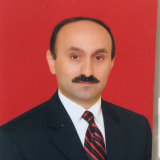


Cemil PASLI
1969’da Tokat’ta doğdu. İlkokulu Çeltek Köyü İlkokulu'nda, Ortaokulu Zile'de tamamladı. Sağlık Meslek Lisesi'nin iki yılını Kırklareli, son iki yılını da Konya'da okuyarak 1987 yılında mezun oldu. 1993’de S.Ü. İlahiyat Fakültesi’ni, 1996’da Konya Sağlık Eğitim Enstitüsü’nü bitirdi. 1997-2000 yıllarında Yüksek Lisansını İslam Mezhepleri Tarihi alanında “İslam Düşünce Tarihinde İlk Akılcılar: Mutezile” teziyle tamamladı. 2017’de başladığı Kelam Anabilim dalındaki “Kelam İlminde Yenilik Arayışları ve M. Şerefeddin Yaltkaya’nın İctimai Kelam Projesi” başlıklı doktora çalışmasını 2023'de tamamladı ve Kelam alanında doktor oldu.
1987-1996 yıllarında Sağlık Bakanlığı, 1996-2015 yıllarında Aile ve Sosyal Politikalar Bakanlığı’nda çalıştı. 2015-2019 yıllarında Cumhurbaşkanlığı İletişim Başkanlığı Konya ve Afyonkarahisar İl Müdürlüğü görevlerini ifa etti. 2019’dan beri Selçuk Üniversitesi’nde çalışıyor. 2019-2021 Yılları arasında Engelli Öğrenci Birimi koordinatörlüğü yaptı. Haziran 2023-2024 tarihileri arası S.Ü. Sağlık Bilimleri Fakültesi Nasreddin Hoca Uygulamalı Ana Okulu Müdürlüğü görevini yürüttü. 2024-2025'de Selçuk Üniversitesi Prof. Dr. Erol Güngör Kütüphane ve Dokümantasyon Daire Başkanlığı görevini icra etti. Şubat 2025 den itibaren Selçuk Üniversitesi'nde Araştırmacı olarak görevine devam ediyor.
Yeni Konya gazetesi ve birçok internet adresinde haftalık yazılar yazan Paslı’nın birçok eseri bulunmaktadır. Türk Aleviliği” (2006), “Aile Huzur ve Mutluluğu için 9 S” (2013’), “Anadolu Aleviliği” (2013), “Akıl” (2016), “Bilge Kral Aliya’nın Camisi” (2018), M. Şerefeddin Yaltkaya’nın İctimai Kelam Projesi” (2024) ve "Kelam İlmi ve Sosyal Hayat (2024), Hikâyeden Hayat (2025) ve Mutluluk ve Başarı İçin 3+3 (2025) adlı kitapları bunlar arasındadır.
Paslı, Aileyi Destekleme Derneği başkanlığı, Konya Platformu Derneği Yönetim Kurulu üyeliği gibi görevlerle Sivil Toplum Çalışmalarına katkı veriyor.
İngilizce ve Arapça bilen yazar evli ve 3 çocuk babasıdır.
Yorumlar